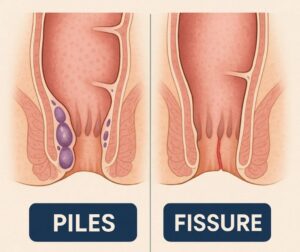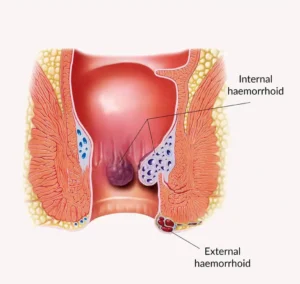
1. Keep Stools Soft
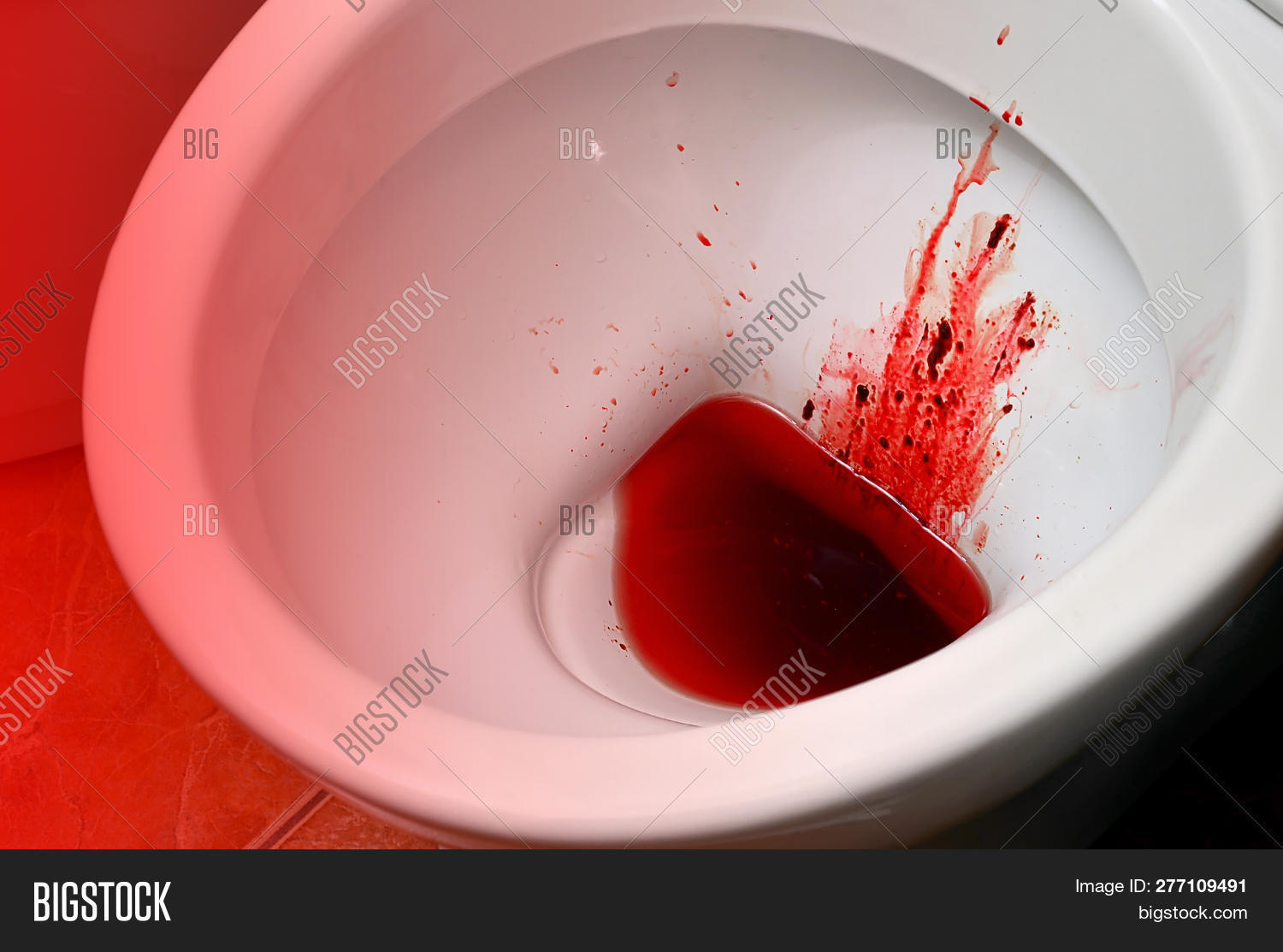
Hard stools reopen the fissure and cause repeated bleeding. Soft stools allow healing.
What Helps:
- High-fiber foods (fruits, vegetables, whole grains)
- Fiber supplements like Isabgol (psyllium husk)
- Drinking enough water daily
2. Drink Plenty of Fluids
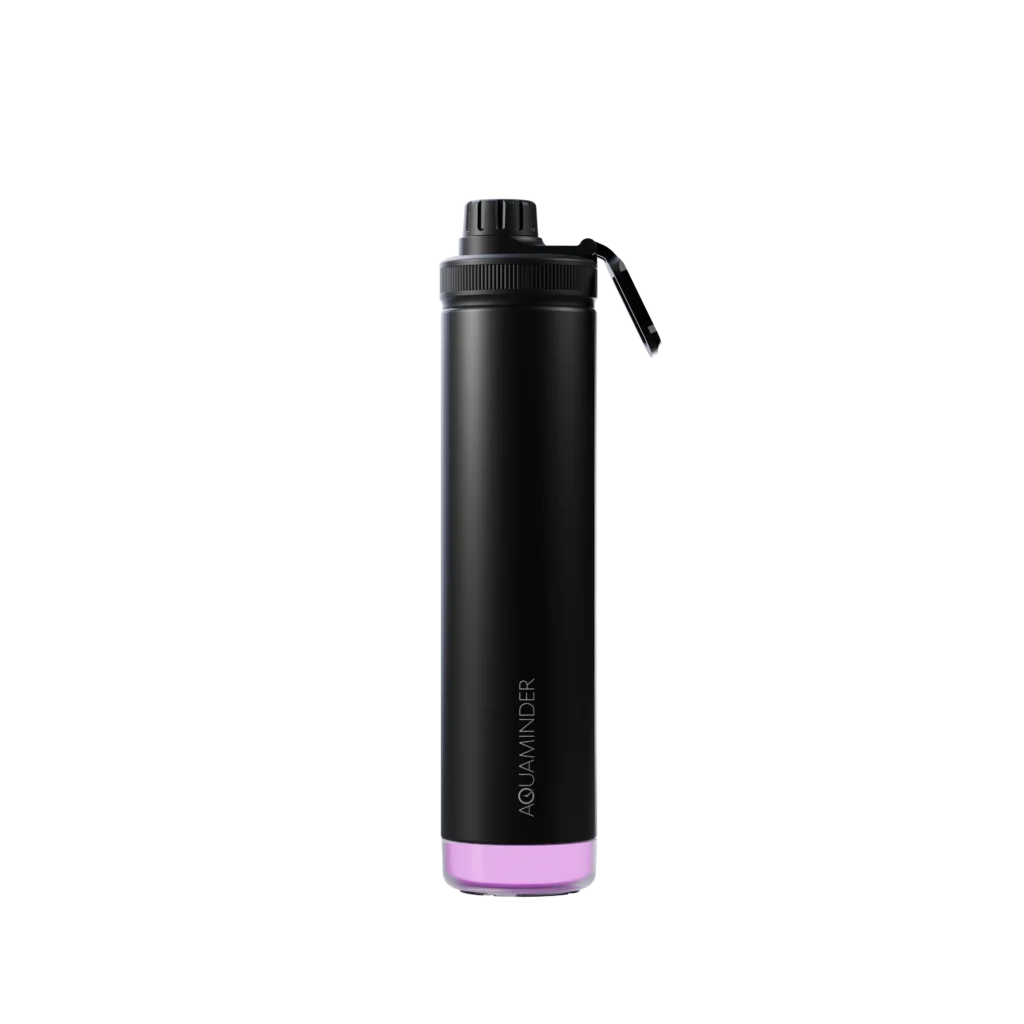
Hydration plays a key role in preventing constipation.
Tip:
Aim for 8–10 glasses of water daily, especially if you are increasing fiber intake.
Try smart water bottles which helps you to drink adequate water without forgetting to do
3. Take a Warm Sitz Bath
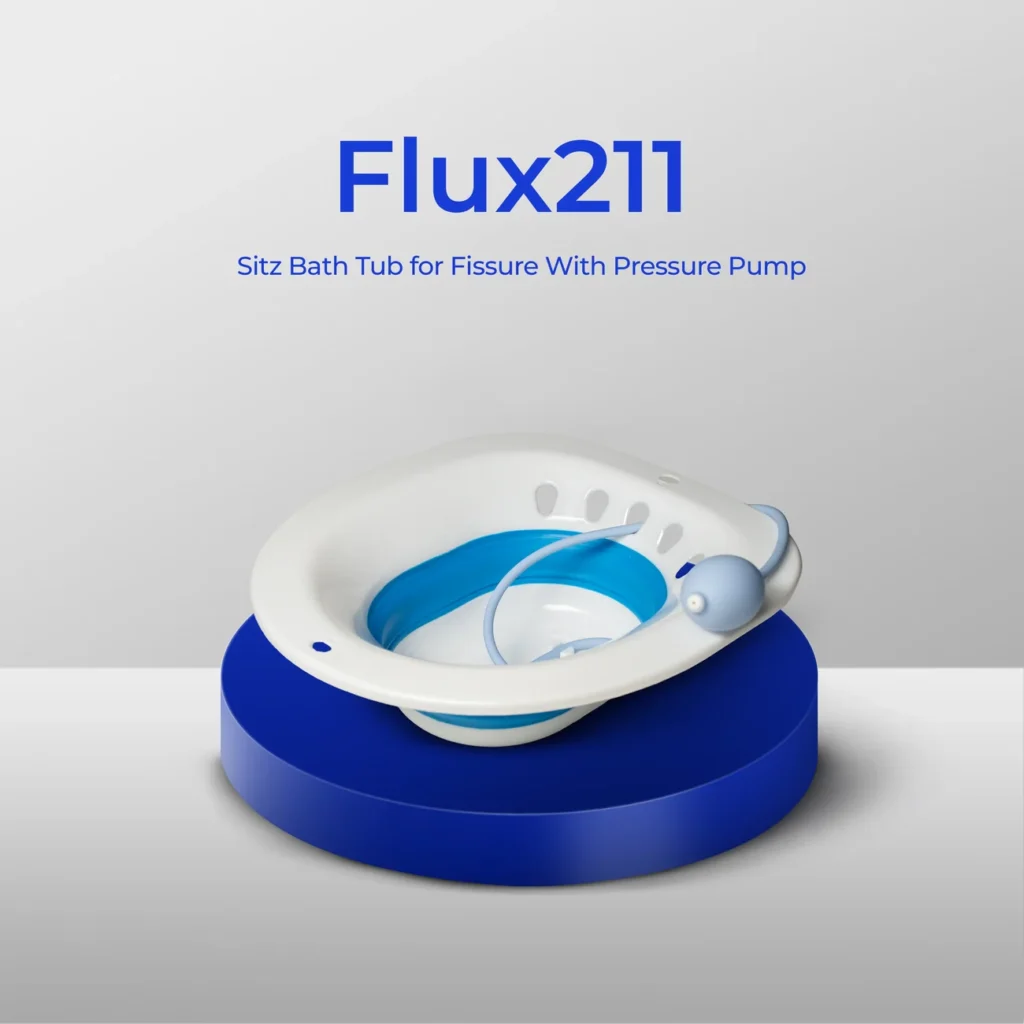
A sitz bath helps relax the anal muscles and improves blood flow.
How It Helps:
- Reduces pain and spasm
- Promotes healing
- May help reduce bleeding
🕒 Sit in warm water for 10–15 minutes, 2–3 times daily.
4. Avoid Straining During Bowel Movements
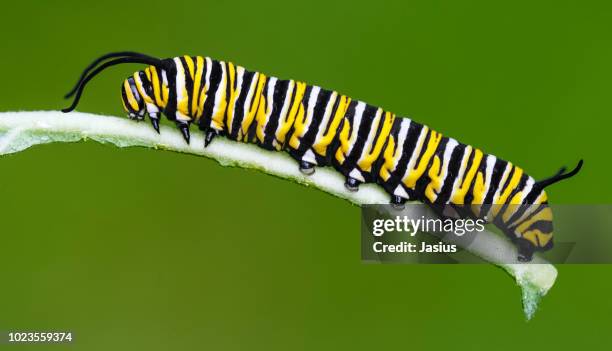
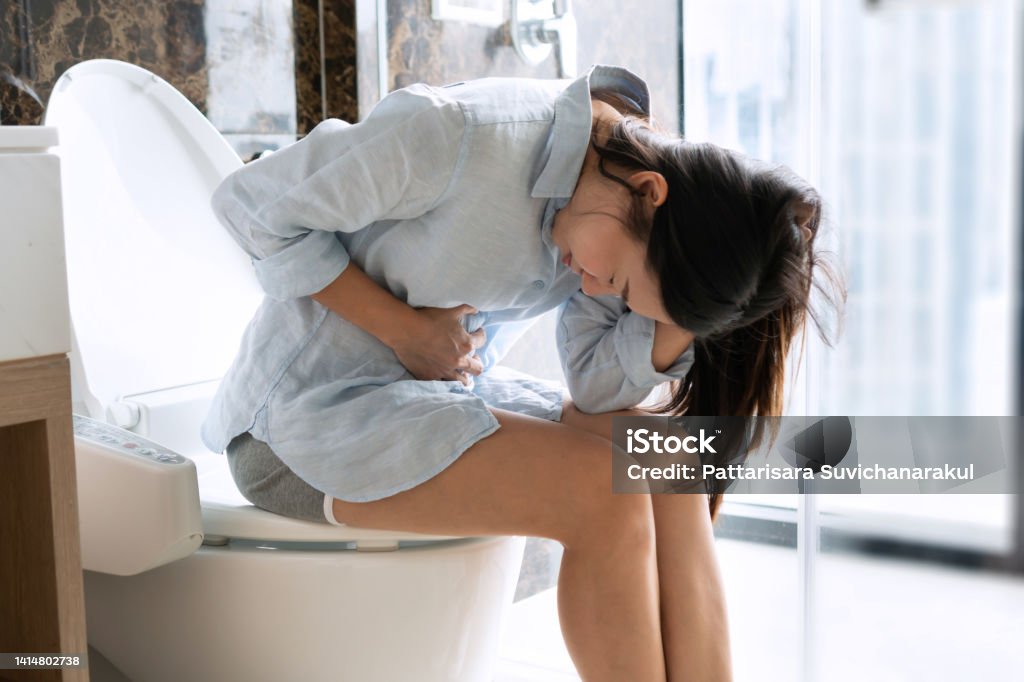
Straining delays healing and worsens bleeding. So Go slow like an worm
Healthy Toilet Habits:
- Go as soon as you feel the urge
- Avoid sitting long on the toilet
- Never force bowel movements
5. Apply Coconut Oil or Pure Aloe Vera
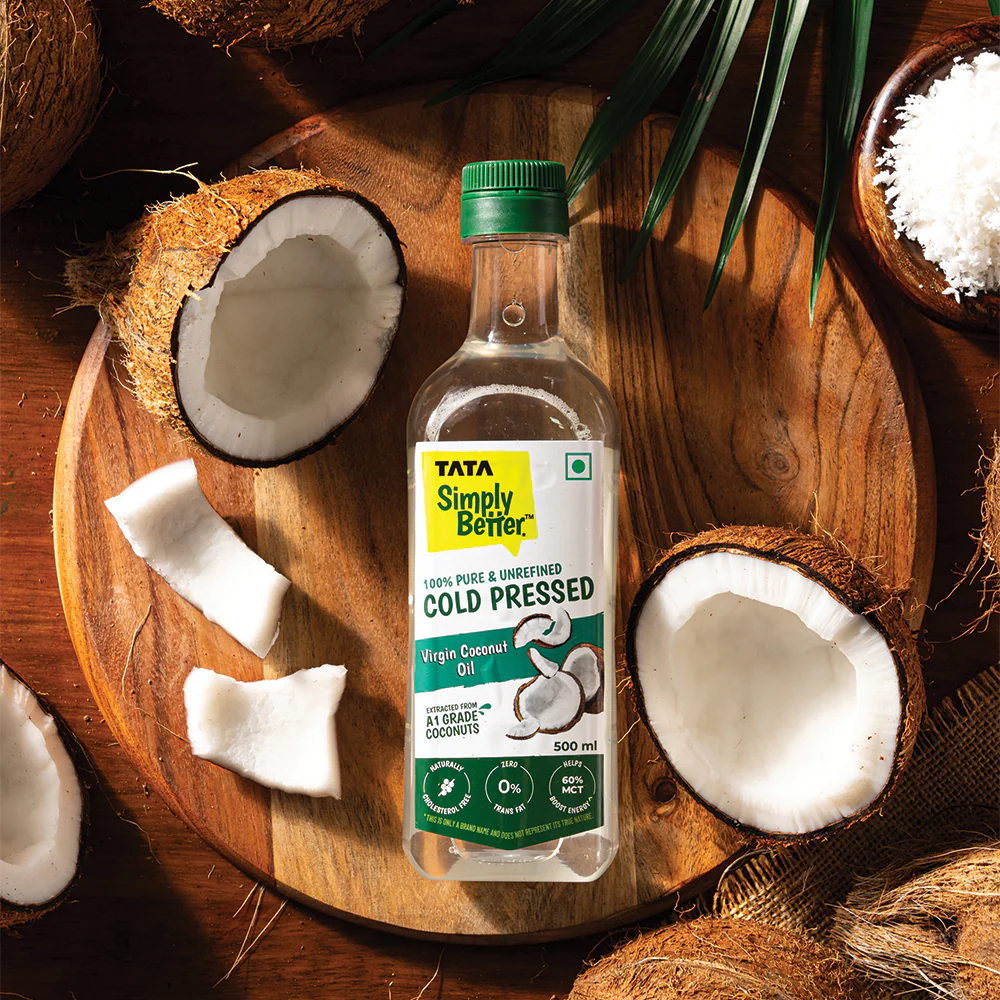
These natural soothing agents may help to reduce dryness
- Reduce dryness
- Ease irritation
- Support skin healing
Apply externally after cleaning the area.
6. Use Gentle Cleaning Methods
- Clean with water after bowel movements
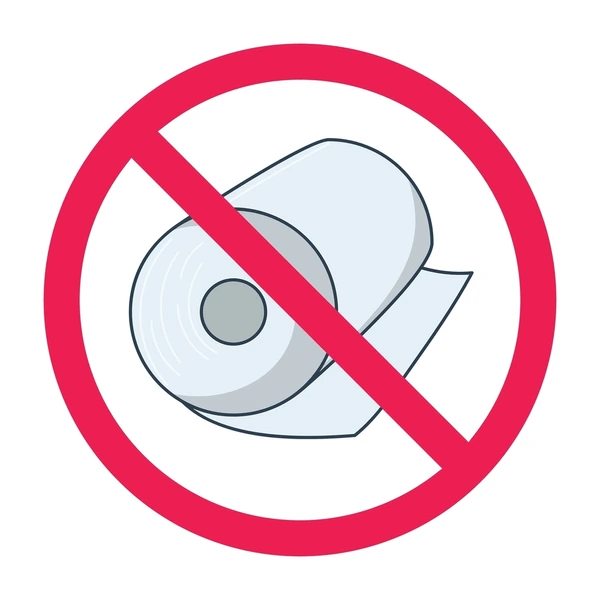
- Avoid harsh toilet paper or scented wipes
- Pat dry gently—do not rub
This reduces irritation and prevents reopening of the fissure.
7. Avoid Foods That Worsen Fissures
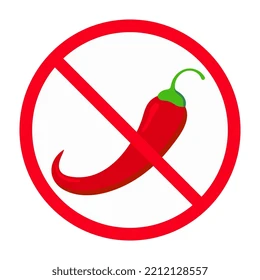
Certain foods may irritate the digestive system or cause constipation.
Limit or Avoid:
- Spicy foods
- Fried and processed foods
- Alcohol
- Excess caffeine
- Avoid oily foods
8. Light Physical Activity

Gentle movement helps bowel regularity and reduces pressure during stools.
Recommended activities:
- Walking
- Light stretching
- Yoga for digestion
9. Over-the-Counter Ointments (If Recommended)
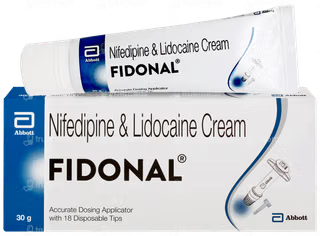
Some doctor-recommended creams may help relax muscles and reduce pain.
⚠ Always use medicines only after consulting a healthcare professional.
10. Avoid Wearing Tight & Non-Ventilated Clothing
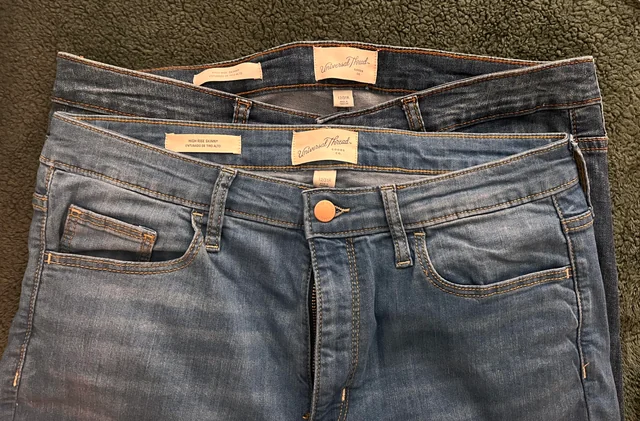
Tight and non-breathable clothing can increase heat, sweating, and friction around the anal area, which may worsen fissure irritation and delay healing.
What to Do:
- Avoid tight underwear and jeans
- Choose loose-fitting, breathable cotton clothing
- Change clothes if they become sweaty
- Keep the area dry and well-ventilated
Wearing comfortable, ventilated clothing helps reduce moisture buildup and supports faster healing.