A fissure, commonly known as an anal fissure, is a small tear or cut in the lining of the anus. This condition often causes pain and bleeding during or after bowel movements and is usually linked to bowel-related issues such as constipation.
Anal fissures are common and can affect people of all age groups.
What Is an Anal Fissure?
An anal fissure occurs when the delicate lining of the anal canal gets damaged. This damage is often caused by passing hard stools, repeated straining, or irritation of the anal area.
Fissures can be acute (short-term) or chronic (long-lasting) depending on how long they persist.
Common Causes of Fissure
Anal fissures may develop due to:
- Chronic constipation
- Passing hard or large stools
- Straining during bowel movements
- Repeated diarrhea
- Poor bowel habits
- Prolonged sitting or pressure in the anal area
Addressing the underlying cause is important for healing.
Stages of Fissure
Fissures are generally classified into two stages:
1. Acute Fissure
- Recently developed tear
- Sharp pain during bowel movements
- Bright red bleeding
- May heal with basic care and lifestyle changes
2. Chronic Fissure
- Long-standing fissure (lasting more than 6 weeks)
- Persistent pain and discomfort
- May have a visible skin tag or thickened edges
- Usually requires medical evaluation
Common Symptoms of Fissure
Symptoms may include:
- Sharp or burning pain during bowel movements
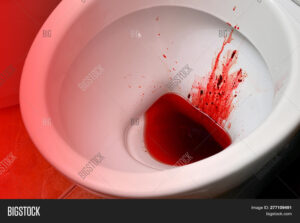
- Bright red blood on stool or toilet paper
- Itching or irritation around the anus
- Spasm or tightness in the anal muscles
- Discomfort while sitting
Symptoms that continue should not be ignored.
Solutions Available for Fissure (General Overview)
Management depends on the stage and severity of the fissure. Several options are commonly available in the market.
1. Lifestyle and Dietary Measures
- High-fiber diet
- Adequate water intake
- Avoiding constipation and diarrhea
- Proper toilet habits
These steps are often the first approach for acute fissures.
2. Over-the-Counter Products
Commonly used options include:
- Topical creams or ointments
- Medicated gels
- Pain-relief applications
These products are generally used to help manage discomfort under medical guidance.
3. Fiber Supplements
Fiber supplements such as psyllium husk (Isabgol) are widely used to help soften stools and reduce strain.
4. Medical Treatment
For chronic or severe fissures, healthcare professionals may suggest:
- Prescription-based ointments
- Other medical procedures depending on the condition
Treatment choice depends on individual evaluation.
Difference Between Piles, Fissure, and Fistula
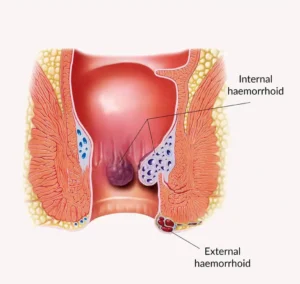
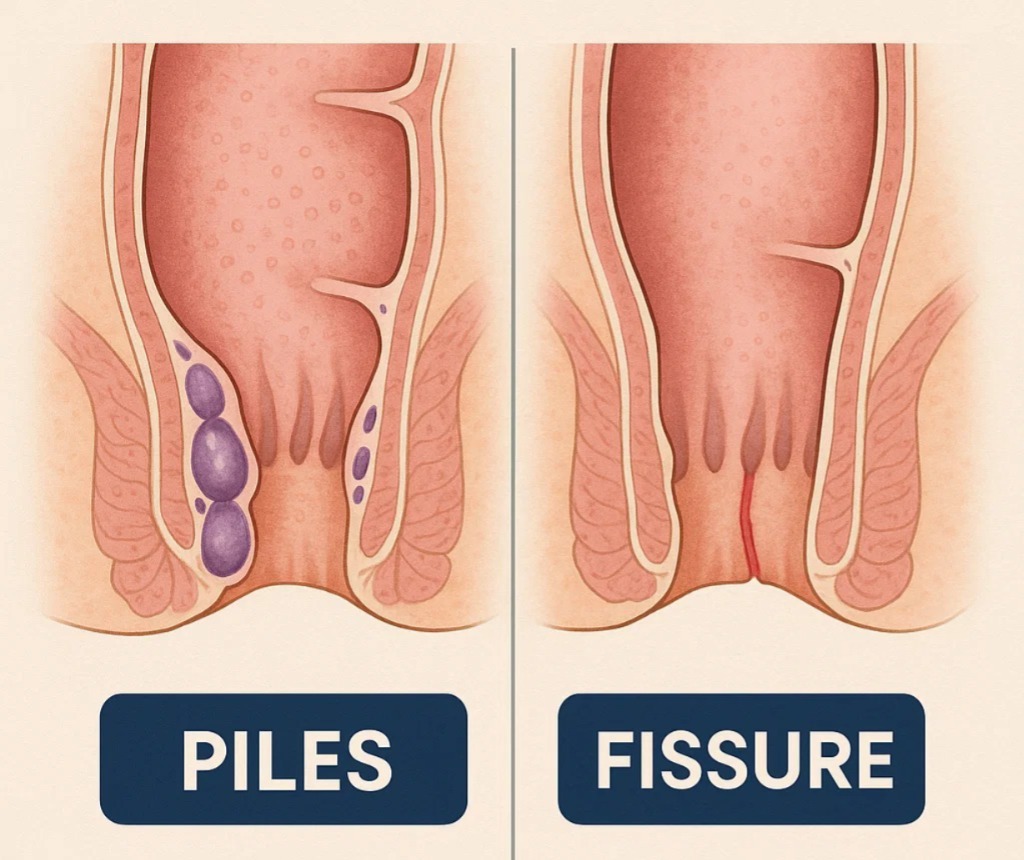
- Piles: Swollen veins causing bleeding or lumps
- Fissure: A tear in the anal lining causing pain and bleeding
- Fistula: An abnormal tunnel linked to infection
Each condition has different causes and treatment methods.
When Should You See a Doctor?
Consult a healthcare professional if:
- Bleeding or pain continues
- Symptoms worsen over time
- Home care does not improve the condition
- There is swelling, discharge, or fever
Final Thoughts
Anal fissure is a common condition and often improves with early care and healthy bowel habits. Understanding its causes, stages, symptoms, and available solutions helps in managing it effectively and seeking timely medical attention.
Medical Disclaimer
This article is for informational purposes only and does not replace professional medical advice. Always consult a qualified healthcare provider for diagnosis and treatment.