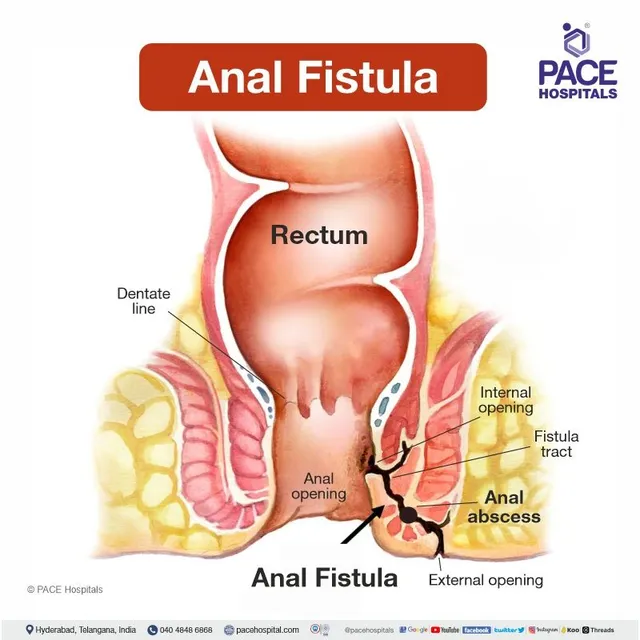
A fistula is an abnormal passage or tunnel that forms between two parts of the body that are not normally connected. In everyday health discussions, the term usually refers to an anal fistula, which forms between the inside of the anal canal and the skin around the anus.
Fistula is a medical condition that develops gradually and often needs proper medical evaluation for management.
What Is an Anal Fistula?
An anal fistula is a small channel that usually forms after an infection near the anus. When an anal abscess does not heal completely, it may leave behind a tract that connects the infected gland inside the anus to the outer skin.
This condition is more common than many people realize and can affect individuals of different age groups.
Common Causes of Fistula
Fistula often develops due to one or more of the following reasons:
- An infected anal gland
- A previously drained or untreated anal abscess
- Recurrent infections near the anal area
- Poor healing after abscess formation
- Certain digestive or inflammatory conditions (in some cases)
Early treatment of infections may help reduce the risk of fistula formation.
Symptoms of Fistula
Symptoms may vary depending on the severity, but commonly include:
- Repeated discharge of pus or fluid near the anus
- Pain or discomfort around the anal area
- Swelling or redness of the surrounding skin
- Pain during bowel movements
- Occasional fever or general discomfort
If symptoms persist, medical consultation is recommended.
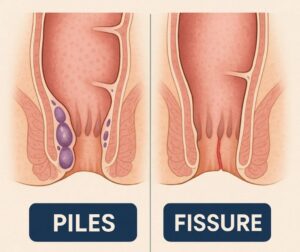
Is Fistula the Same as Piles or Fissure?
No, fistula is different from piles and fissure.
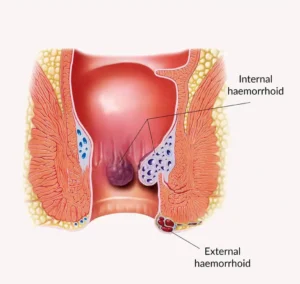
- Piles (Hemorrhoids): Swollen veins that may cause bleeding or discomfort
- Fissure: A small tear in the anal lining causing sharp pain
- Fistula: An abnormal tunnel often associated with infection and discharge
Each condition has different causes and treatment approaches.
Can Fistula Heal on Its Own?
In most cases, a fistula does not close completely without medical care. While symptoms may temporarily reduce, proper evaluation helps prevent repeated infections or complications.
How Is Fistula Managed?
Management depends on the type and location of the fistula and may include:
- Medical treatment to control infection
- Minor procedures recommended by healthcare professionals
- Regular follow-up to monitor healing
Treatment decisions should always be made by a qualified doctor.
When Should You See a Doctor?
You should seek medical advice if you notice:
- Continuous or recurring discharge
- Pain that does not improve
- Swelling, redness, or fever
- A non-healing opening near the anus
Early consultation often leads to better outcomes.
Final Thoughts
Fistula is a manageable medical condition when identified early. Understanding the symptoms and causes can help individuals seek timely care and avoid complications.
Maintaining hygiene, addressing infections early, and consulting a healthcare professional when symptoms appear are important steps.
Medical Disclaimer
This content is for informational purposes only and does not replace professional medical advice. Always consult a qualified healthcare provider for diagnosis and treatment.