Piles, also known as hemorrhoids, are swollen or enlarged veins in the rectal or anal area. This condition is common and usually develops due to increased pressure on the lower rectum, often linked to bowel habits and lifestyle factors.
Piles can vary in severity, from mild discomfort to more noticeable symptoms, depending on the stage.
What Are Piles?
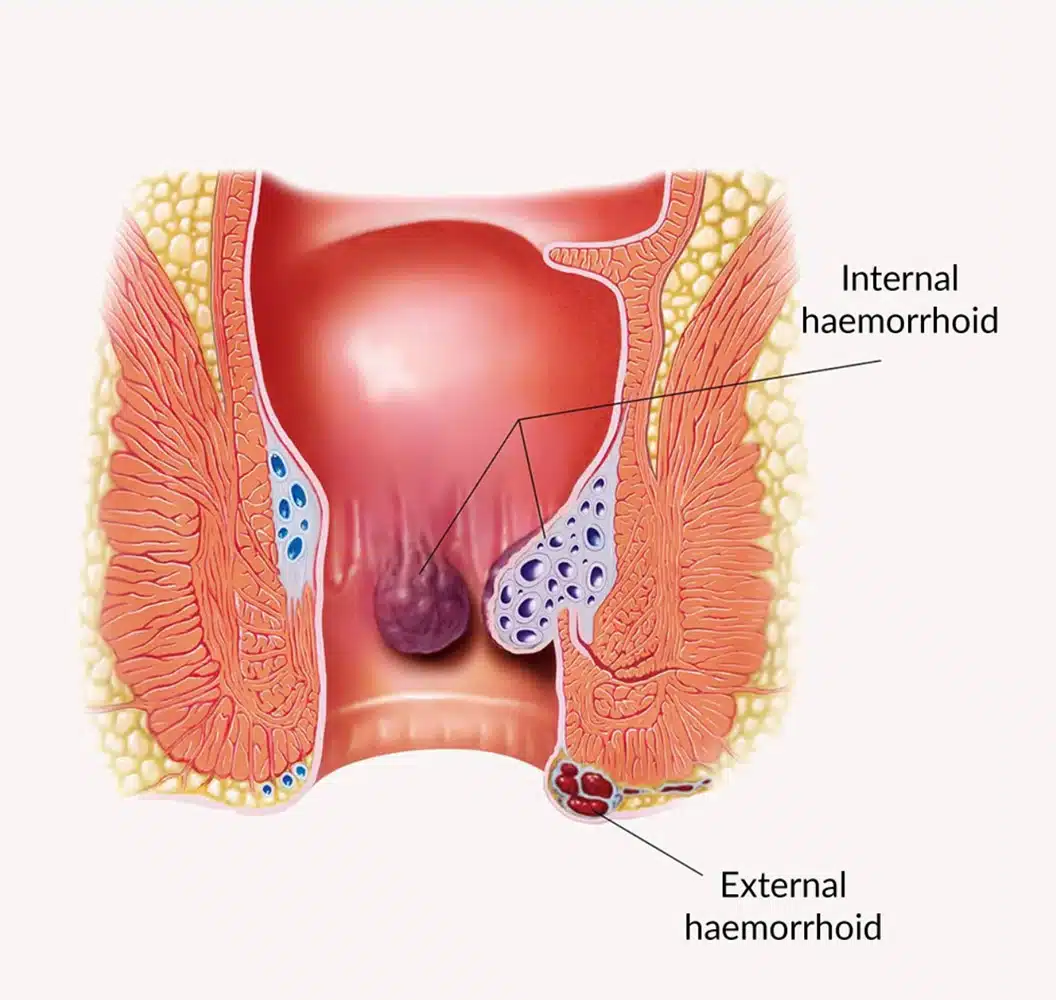
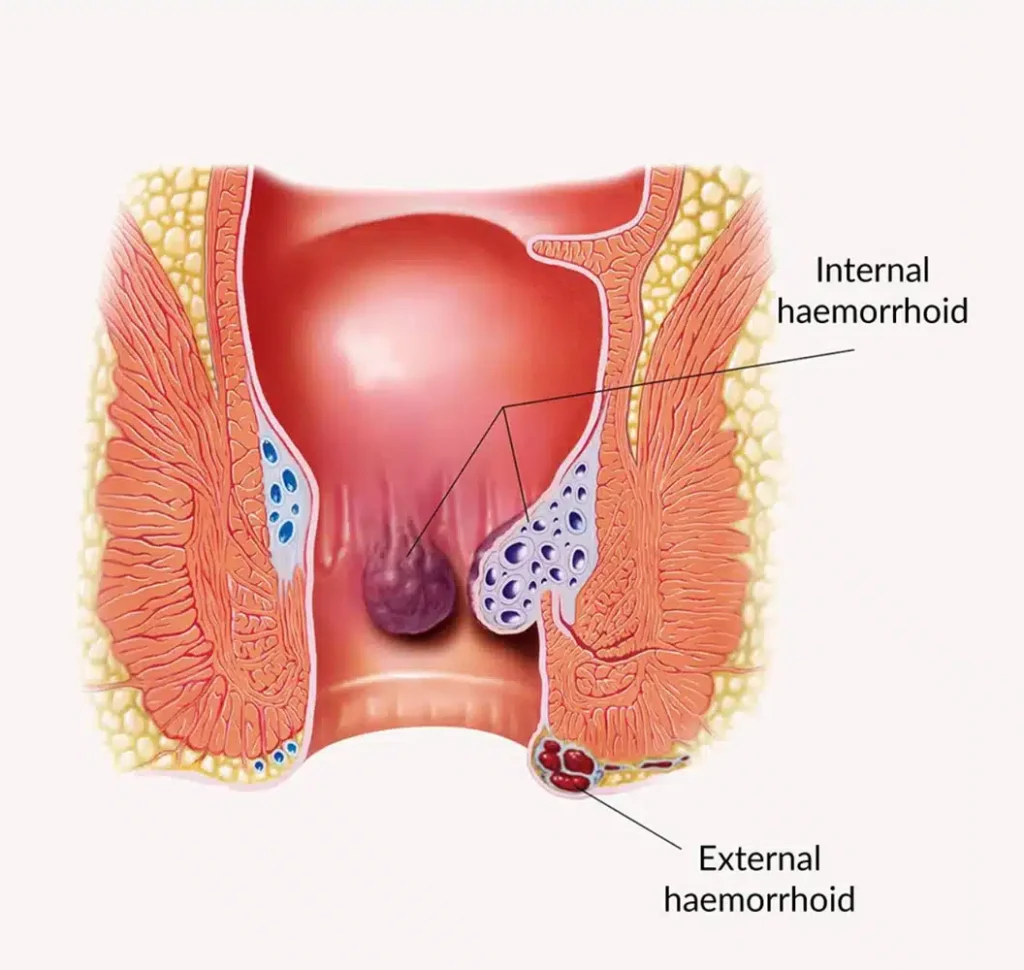
Piles occur when veins around the anus or inside the rectum become swollen. These veins normally help with bowel control, but excessive pressure can cause them to enlarge, leading to symptoms such as discomfort or bleeding.
Types of Piles
Internal Piles
- Located inside the rectum
- Usually painless
- May cause bleeding during bowel movements
External Piles
- Located outside the anus
- May cause pain, swelling, and itching
- Can be uncomfortable while sitting
Stages of Piles (Grades of Internal Piles)
Piles are commonly classified into four stages, based on severity:
Stage 1
- Mild swelling inside the rectum
- No visible protrusion
- May cause slight bleeding
Stage 2
- Piles may come out during bowel movement but go back on their own
- Bleeding and mild discomfort may occur
Stage 3
- Piles protrude during bowel movements and need to be pushed back manually
- Increased pain, irritation, and discomfort
Stage 4
- Permanently protruding piles
- May cause pain, swelling, and hygiene issues
- Medical intervention is usually required
Common Symptoms of Piles
Symptoms depend on the type and stage, but may include:
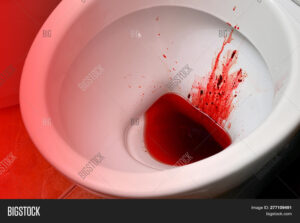
- Bright red blood during or after bowel movements
- Itching or irritation around the anus
- Pain or discomfort, especially while sitting
- Swelling or a lump near the anus
- Mucus discharge (in some cases)
Persistent or severe symptoms should be evaluated by a healthcare professional.
Common Causes of Piles
Piles often develop due to:
- Chronic constipation or diarrhea
- Straining during bowel movements
- Sitting for long periods
- Low-fiber diet
- Obesity or lack of physical activity
- Pregnancy
Solutions Available for Piles (General Overview)
Management of piles depends on the stage and severity. Several solutions are available in the market, ranging from lifestyle-based options to medical treatments.
1. Lifestyle and Dietary Measures
- High-fiber diet
- Adequate water intake
- Regular physical activity
- Healthy toilet habits
These are often recommended as first-line measures for early-stage piles.
2. Over-the-Counter Products
Commonly available products include:
- Topical creams and ointments
- Suppositories
- Medicated wipes
These products are generally used to help manage symptoms such as itching or discomfort. Use should be guided by a healthcare professional.
3. Fiber Supplements
Products like psyllium husk (Isabgol) are widely used to improve stool consistency and reduce straining.
4. Medical Procedures
For advanced stages, doctors may recommend:
- Minimally invasive procedures
- Other medical or surgical options based on severity
The choice of treatment depends on individual condition and medical advice.
Is Piles the Same as Fissure or Fistula?
No, these are different conditions:
- Piles: Swollen veins
- Fissure: A small tear in the anal lining
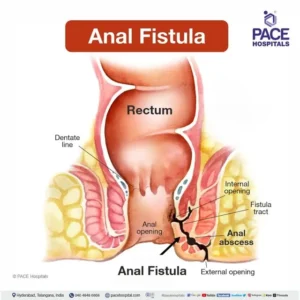
- Fistula: An abnormal tunnel caused by infection
Each condition requires a different medical approach.
When Should You See a Doctor?
Consult a healthcare provider if you experience:
- Ongoing or heavy bleeding
- Severe pain or swelling
- Symptoms that do not improve
- Sudden worsening of discomfort
Final Thoughts
Piles are a common condition and can often be managed effectively when identified early. Understanding the stages, symptoms, and available solutions helps individuals seek timely care and avoid complications.
Healthy digestion, good hygiene, and medical guidance play an important role in managing piles.
Medical Disclaimer
This content is for informational purposes only and does not replace professional medical advice. Always consult a qualified healthcare provider for diagnosis and treatment.